

Move Your Mind – Why Staying Active Builds More Than Muscle
Introduction
There’s something powerful about movement. It’s not just about lifting weights, running laps, or getting abs – it’s about what happens inside when you move your body.
For guys, being active isn’t only about looking strong. It’s about feeling grounded, focused, and capable – mentally, emotionally, and physically. In a world that often tells men to “toughen up”, movement gives you a healthier kind of strength – one that starts from within.
Why Movement Matters
Your body was designed to move. When you stay active, you don’t just train your muscles – you train your mind to handle pressure, to stay disciplined, and to push through when things get hard.
Physical activity helps you:
- Manage stress – Exercise releases endorphins, your body’s natural “feel good” chemicals.
- Think clearly – Movement improves blood flow to the brain, helping focus and decision-making.
- Sleep better – Your body rests deeper when it’s been used during the day.
- Boost confidence – Seeing your own progress, even small wins, builds quiet self-respect.
Movement teaches you something no textbook can: that consistency beats intensity every time.
The Mental Side of Movement
Men often carry silent stress – pressure to perform, provide, or appear confident even when they’re struggling. Exercise gives that stress somewhere to go.
When you run, lift, cycle, or stretch, you’re not just working your body – you’re clearing your mind. That’s why many people find their best ideas or decisions come mid-workout or on a walk. Movement creates space to process your thoughts instead of being trapped in them.
Even ten minutes of walking or stretching can shift your mood from heavy to hopeful.
Strength Without Aggression
Being strong isn’t about dominance – it’s about direction. When you channel energy into something active, it stops turning inward as frustration or burnout.
There’s power in knowing you can handle physical effort – that you can hold your own weight, literally and emotionally. But strength also means knowing when to slow down, breathe, and rest. Balance is what keeps power sustainable.
Building a Routine That Works
You don’t need a gym membership or expensive gear. The goal is movement, not perfection. Try:
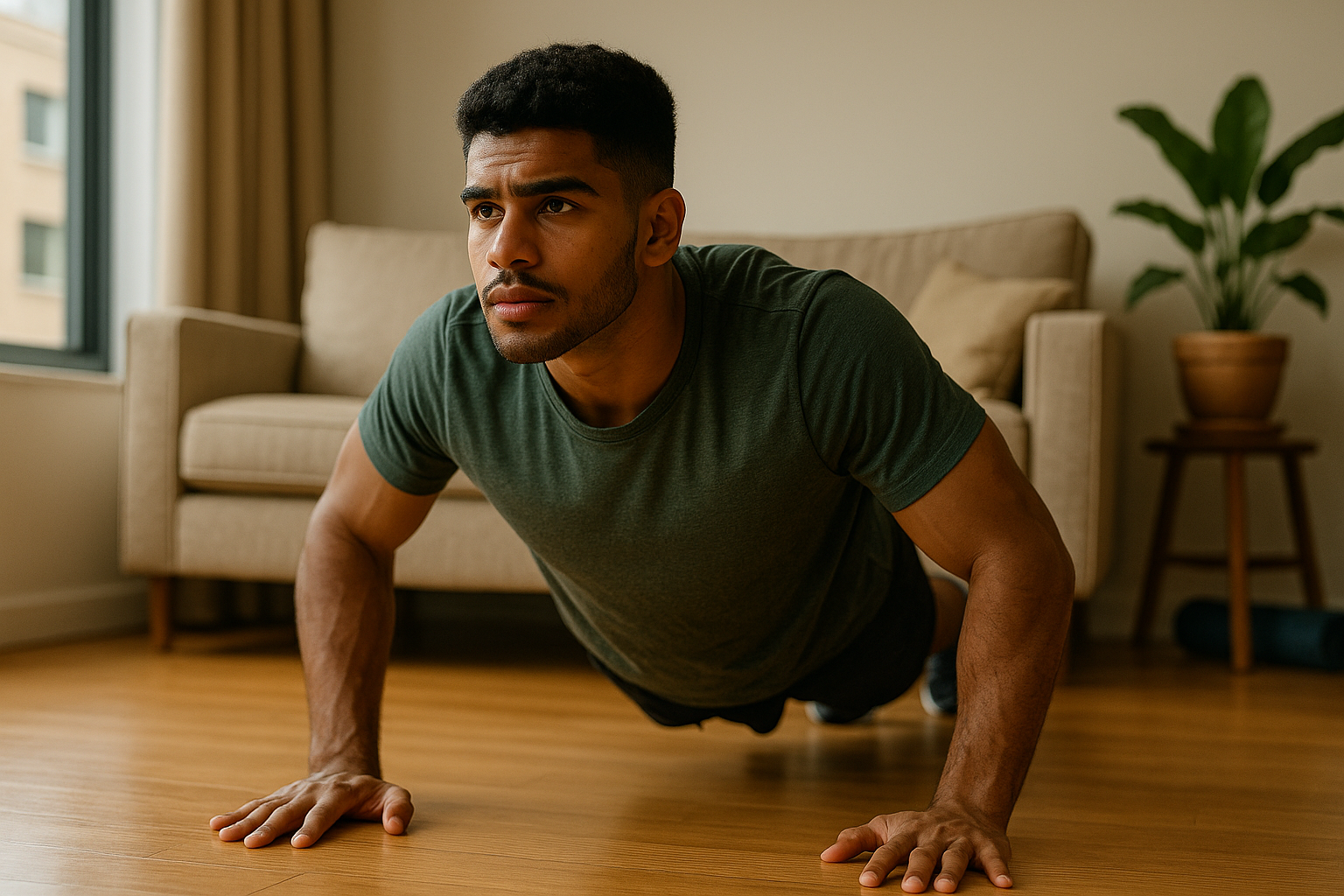
- Bodyweight training – Push-ups, squats, and planks build strength anywhere.
- Running or walking – Cardio clears your head and boosts endurance.
- Sports – Football, basketball, or even casual street games teach teamwork and reflex.
- Stretching or yoga – Yes, it counts. Flexibility prevents injuries and improves recovery.
- Active hobbies – Hiking, skating, or cycling are forms of freedom, not chores.
Start small and stay consistent. The hardest part isn’t the first rep – it’s showing up for yourself every day.
What Happens When You Stop Moving
When you become inactive for too long, it’s not just your body that slows down – it’s your spirit. You start to lose drive, clarity, and that internal spark that makes you want to grow.
The less you move, the more trapped you feel in your own thoughts. That’s why physical activity is one of the best tools for mental health – it reminds you that momentum is something you can create.
For Students and Young Men
Between classes, gaming, and online work, it’s easy to stay still for hours without noticing. But long stretches of inactivity affect your posture, your mood, and even your motivation.
Try breaking up your day with small bursts of movement – a quick walk, ten push-ups, or even stretching your shoulders after studying. It doesn’t have to look like training. It just has to look like care.
Conclusion
Movement isn’t just about fitness – it’s about freedom. It’s a way of telling yourself, “I’m alive, and I can change.”
So get up. Move. Sweat. Breathe.
You’ll find that the more you move your body, the more your mind follows – forward, steady, and strong.